
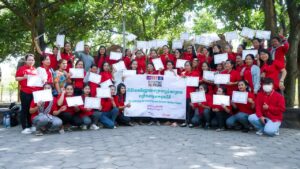
 “ការពង្រឹងសំឡេងកម្មការនារីរោងចក្រកាត់ដេរ” គឺជាគម្រោងមួយដែលថវិកាផ្តល់ជូនដោយ GIZ តាមរយៈ CARE Cambodia ក្នុងឆ្នាំ ២០២២ សម្រាប់ ACT ដើម្បីពង្រឹងសមត្ថភាពកម្មកររោងចក្រ នៅក្នុងខេត្ត/ក្រុងចំនួនបី (ភ្នំពេញ កណ្ដាល និងកំពង់ស្ពឺ) ដើម្បីពង្រឹងសិទ្ធិនារីកម្មករនៅក្នុងវិស័យឧស្សាហកម្មកាត់ដេរ ដែលបានកំណត់ក្នុងអនុសញ្ញា ILO ត្រូវបានអនុវត្ត។
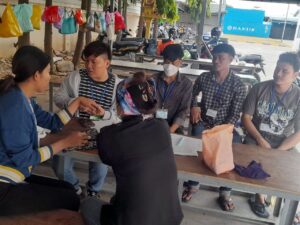
ក្នុងឆ្នាំ ២០២៣-២០២៤ ACT បានចូលរួមជាមួយ CARE ក្នុងការស្ទង់មតិអំពីកម្មករកាត់ដេរកម្ពុជា ក្នុងគម្រោង “Fabric of Impact” ដែលពាក់ព័ន្ធនឹងបញ្ហាអាកាសធាតុ ភេទ និងថាមពល ក្នុងឧស្សាហកម្មកាត់ដេរ ស្បែកជើង និងវាយនភណ្ឌ។ ជាអ្នកផ្តល់ការងារផ្លូវការធំជាងគេនៅកម្ពុជា និងជាអ្នកចូលរួមសំខាន់ក្នុង GDP ជាតិ វិស័យនេះមានតួនាទីកណ្តាលក្នុងការអភិវឌ្ឍសេដ្ឋកិច្ច ជាពិសេសសម្រាប់នារី និងកម្មករចំណាកស្រុក ក្នុងប្រទេស។ ការរីកចម្រើនត្រូវបានប្រឈមមុខនឹងសម្ពាធជាច្រើនពីការប្រែប្រួលអាកាសធាតុ សមភាពយេនឌ័រ និងការការពារសង្គម និងបរិស្ថាន។ ការសិក្សានេះ ដែលជាផ្នែកមួយនៃគម្រោង “Upstream Collective” បានស្រាវជ្រាវអំពីជីវភាពពិតប្រាកដរបស់កម្មករកាត់ដេរ និងកំណត់ផ្លូវឆ្ពោះទៅឧស្សាហកម្មដែលមានភាពធន់ទ្រាំ សមធម៌ និងចីរភាពនៅកម្ពុជា។
 “Strengthening the Voice of Women Garment Workers” is project funded by GIZ through CARE Cambodia in 2022 for ACT to empower the factories worker in three province/city (Phnom Penh, Kandal, and KampongSpeu) for empower the rights of women worker in garment industry laid down in ILO conventions are implemented.
In 2023-2024, ACT join CARE survey on Cambodia’ s garment worker on the “Fabric of Impact” relate to Climate, Gender, and Energy in Cambodia’ s garment footwear textile industry. As the Cambodia country largest formal employer and a key contributor 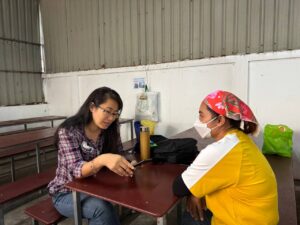 to national GDP, the sector plays a central role in economic development, particularly for women and domestic migrants’ workers. The progress is challenged by intersecting pressures from climate change, gender inequality, and limited social and environmental protections. This study, part of the “Upstream Collective” initiative, explores the lived realities of garment footage workers and in deifies pathway toward a more resilient, equitable and sustainable industry in Cambodia.
របាយការណ៍២០២៥ Report2025:
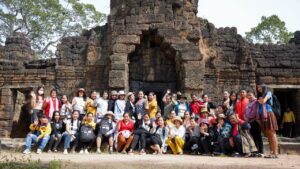
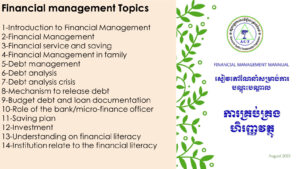
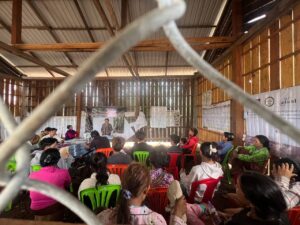 បន្ទាប់ពីការរីករាលដាល់នៃជម្ញឺកូវីដ សហគមន៍ភាគច្រើនជួបប្រទះនិងបញ្ហាបំណុល ដែលមានលក្ខណៈធ្ងន់ធ្ងរនិងឈានដល់ការប្រើប្រាស់អំពើហិង្សាដល់ខ្លួនឯង គ្រួសារ និងសហគមន៍ ពិសេសសហគមន៍ជនជាតិដើមដែលធ្វើការជិតស្និតនិងធនធានធម្មជាតិ ប្រឈមនិងការបាត់បង់ធនធាននិងការបំផ្លិចបំផ្លាញព្រៃឈើ ដោយការខ្វះការយល់ដឹងក្នុងការគ្រប់គ្រងថវិកានិងការចាយវាយប្រចាំថ្ងៃនូវការចំណាយដែលចាំបាច់និងសំខាន់។ ការស្រាវជ្រាវកម្មវិធីយុវជននិងធនធានធម្មជាតិឆ្នាំ ២០២៣ និង យេនឌ័រ សន្តិភាព និងសន្តិសុខ វិច្ឆិកា ២០២៤ក៏បានរឃើញពីការកើនឡើងនិងកង្វល់បំណុលរបស់សហគមន៍។ គម្រោងការគ្រប់គ្រងហិរញ្ញវត្ថុសហគមន៍ WCS-USAID (REDD+) បានឆ្លើយតបនឹងការពង្រឹងការយល់ដឹងផ្នែកការគ្រប់គ្រងហិរញ្ញវត្ថុក្នុងគ្រួសា សហគមន៍ និងការគ្រប់គ្រងការចំណាយចាំបាច់ក្នុងគ្រួសារ ដោយមានការពិនិត្យតាមដានការចំណាយប្រចាំថ្ងៃក្នុងគ្រួសានីមួយៗ ដែលបានទទួលនូវការផ្តល់ចំណេះដឹងដល់៦០០នាក់ក្នុង សហគមន៍ ពី៨ភូមិ ក្នុងស្រុកកែវសីមា ខេត្តមណ្ឌលគីរី។
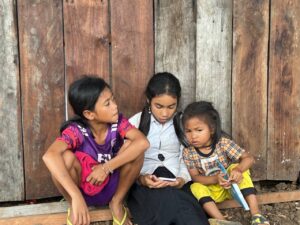 Cambodia is considered as grow in economic and developing country. The commercial farming provides people with the opportunity to improve their standard of living economic growth without suitability of natural resources and ecosystems weakens country functionality and increase vulnerability among the poor especially the indigenous Bunong in Mondulkiri province. Microcredit in Cambodia has emerged within this last 20 years, and it is likely contributed to livelihood development. Despite this claim, there are a lot of concerns occurring from microcredit as the driving force for biodiversity and natural livelihood. However there are concerns the microcredit sector could unknowingly increase the threat posed by farmers to biodiversity and hinder conservation efforts. An important role of microfinance institution is to provide financial support to those in need, while guaranteeing a more secure form of loan compared to informal sources.